

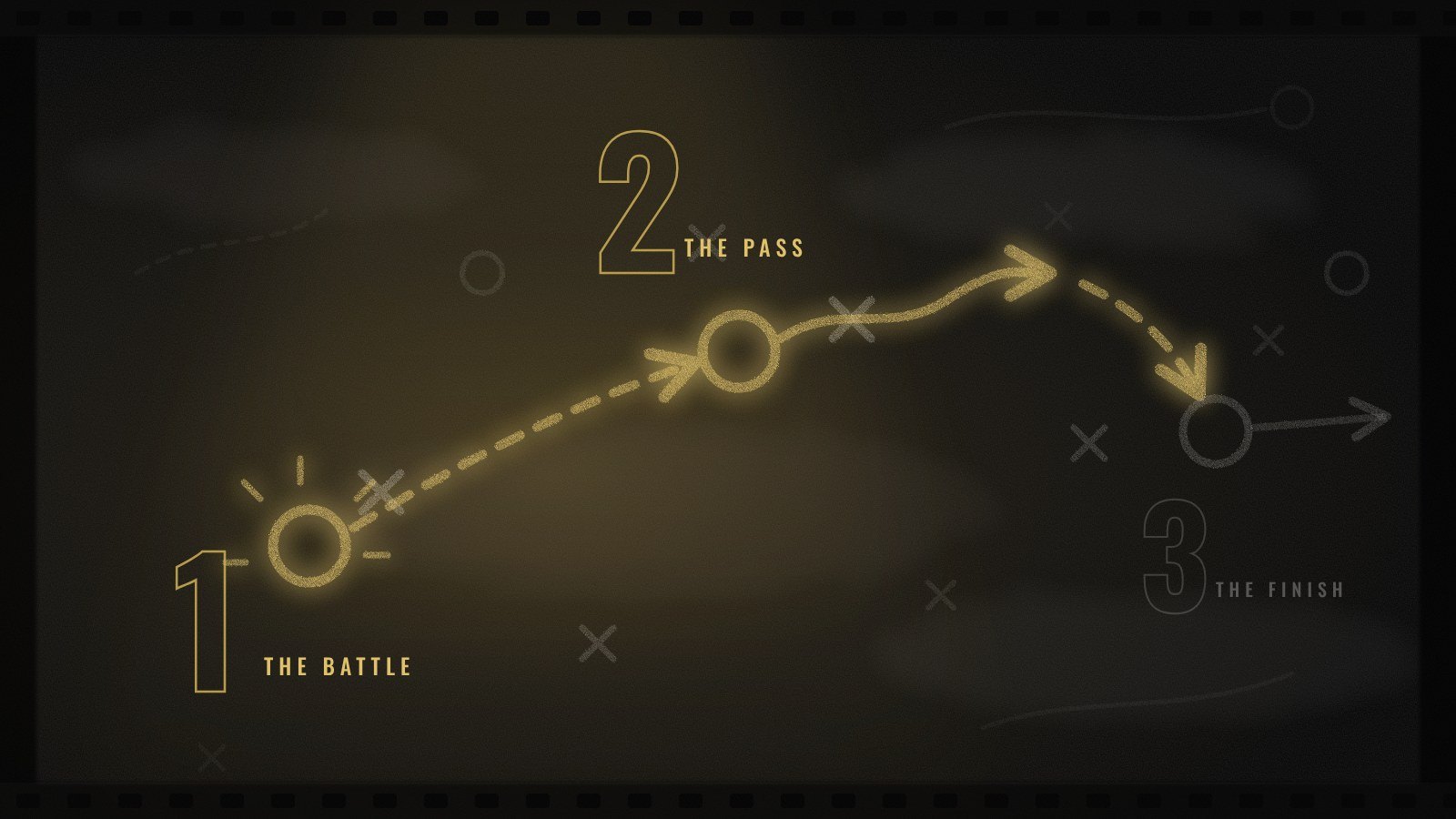
The battle won along the boards that started the breakout. The smart pass that created space. The player who made the right decision under pressure and allowed someone else to finish the play.
When the highlights come out, we usually see the finish. And that’s understandable. Those are the moments that get people out of their seats. But there’s often a lot more that goes into making them happen.
Having coached different sports over the years, I’ve seen how easily those contributions can be overlooked. A blocked shot on the penalty kill, a backcheck that takes away a passing lane, or a smart defensive read that stops an opportunity before it develops. The player who manages to clear the puck when everyone on the ice is exhausted and just needs a change.
It happens in other sports too. The basketball screen that frees up a shooter, the bunt that moves a runner into scoring position, or the volleyball dig that keeps a rally alive long enough for someone else to finish the play.
None of those plays may end up in a highlight reel, but they can have a huge impact on the outcome of a game.
And sometimes the contributions have nothing to do with the play itself. A tap on the goalie’s pads after a big save, a few words to pick up a teammate who’s struggling, or simply recognizing someone else’s effort when things aren’t going their way.
From a young age, athletes see which moments get the biggest reactions. The goals, the dunks, the home runs, the celebrations, the highlights on television, and the excitement in the stands. It’s no surprise that many begin measuring their own performances the same way.
I’ve seen players come away from games disappointed because they didn’t score or have the kind of moment everyone remembers, even though they contributed in other important ways.
As a coach, one of the things I try to do is make sure players know I’ve noticed those contributions. Sometimes it’s a quick acknowledgment when they return to the bench. Other times it’s bringing up a particular play after a game, especially in front of their teammates.
The big moments deserve to be celebrated. The player who scores the goal or makes the game-winning play has earned that recognition. I just think we need to appreciate everything that went into those moments as well.
Every team needs players who contribute in different ways. Some generate offence, others take on difficult defensive assignments, create opportunities, or provide energy when the team needs it. And those responsibilities aren’t necessarily permanent.
A player’s role can change as they develop, and recognizing what they bring to the team today doesn’t mean that’s all they’ll ever be capable of. Finding where you fit can be one of the hardest parts of competitive sports. When a player understands their role, they have a better sense of what they’re contributing.
Something else I’ve noticed is how that appreciation changes as athletes gain experience. Younger players naturally gravitate toward the big moments. As they get older and competition becomes more demanding, they begin recognizing the work that happens around those moments.
Eventually, you start seeing players acknowledge those contributions themselves. A teammate recognizes a blocked shot, appreciates someone taking on a difficult assignment, or gives credit for the play that created an opportunity.
When players begin recognizing what their teammates bring without needing a coach to point it out, it tells you something about the team and the respect they’ve developed for one another.
Over the years, I’ve coached athletes who stand out in my memory for different reasons, both on and off the ice, field, or court.
Some stand out because of their incredible skill, others because of their work ethic, attitude, or the impact they had on their teammates. Often, it’s a combination of those things.
And when I think back on those players, it’s not always a goal, a basket, or a big play that comes to mind. Sometimes it’s remembering how much they gave to their team, how they carried themselves, and the impression they left on the people around them.